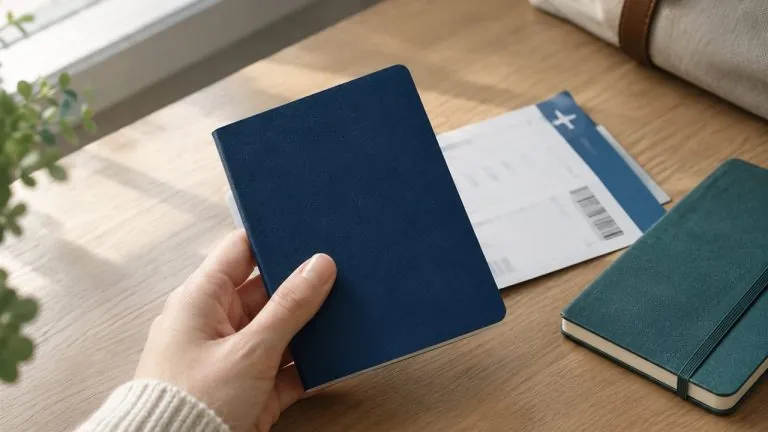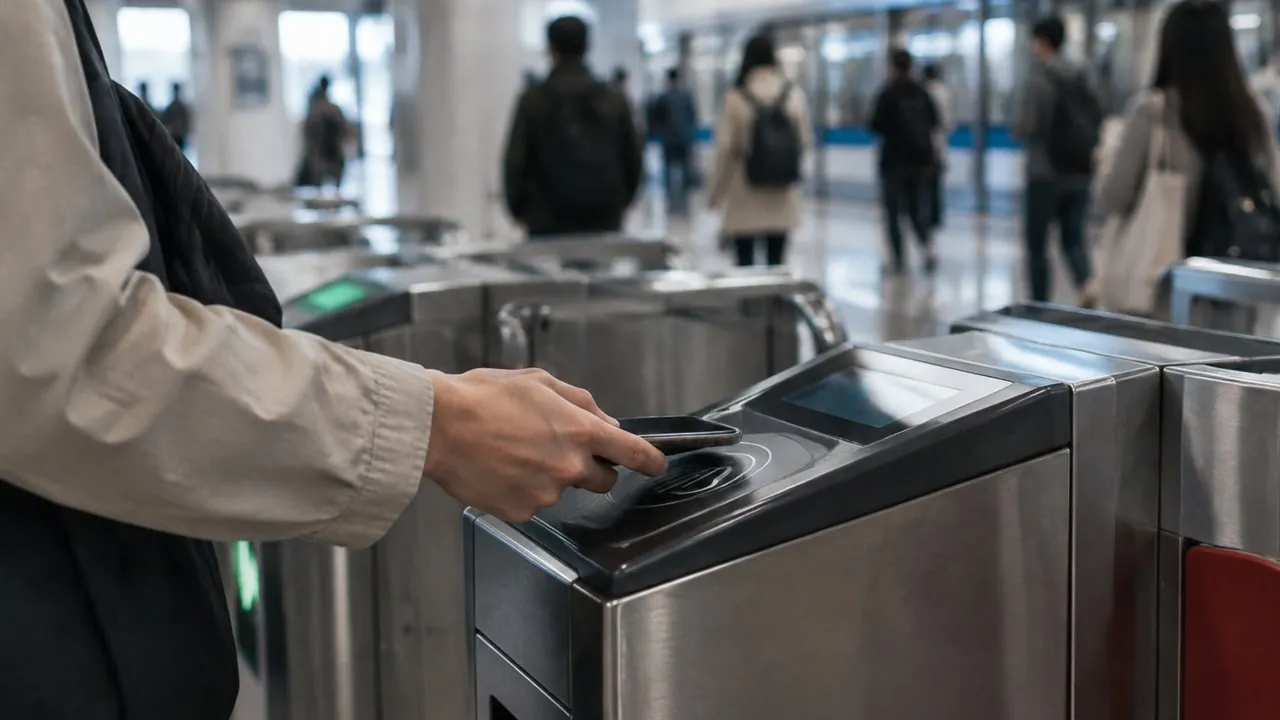
Most first-trip problems in China are setup problems, not travel problems. The nine mistakes below fall into three groups: the entry rule you booked on, the payment and data setup you left until landing, and the bookings you assumed you could make on the day. Each has a fix you can finish before you board.
- Boarding — the airline applies the entry rule at check-in, so a wrong assumption ends the trip before the border does.
- Payments — a linked overseas card is capped at USD 5,000 per transaction and USD 50,000 a year, with a 3% fee above CNY 200.
- Data — mainland eSIM support covers only some handset models, so install an international eSIM at home.
- Trains — 12306 books against your passport number, and the original passport opens the gate.
- Reservations — the Palace Museum releases tickets seven days ahead at 20:00 and closes on Mondays.
Last verified: 29 October 2026 · Next check: 27 April 2027 (180-day cycle) · Sources: National Immigration Administration (NIA), TravelChina, Shanghai municipal government, Palace Museum ticketing
Each mistake fails at a specific counter, which is the fastest way to rank the fixes.
| What you skipped | Where it fails | The fix |
|---|---|---|
| Entry rule | Airline check-in | Check your passport against the three routes before booking |
| Transit condition | Check-in, then the border | Confirm the onward leg goes to a third country inside 240 hours |
| Payment setup | The first taxi or shop | Install Alipay or WeChat Pay at home and link one card |
| eSIM | The arrival hall | Buy and install an international eSIM before departure |
| App access | The first map search | Install what replaces Google, WhatsApp and Instagram |
| Train booking | The station on travel day | Register your passport on 12306 and book when sales open |
| Attraction reservation | The ticket gate | Book on the official channel at its release time |
| Pace | Day three | Cut one city and add one night |
| Visa timing | The application center | Start eight weeks out, not four |
Mistake 1: should you book flights before you know your entry rule?
No, and this is the most expensive of the nine. Three rules run in parallel in 2026: 50 countries get 30 days visa-free, 55 can use 240-hour transit, and everyone else needs an L visa. Ordinary US, Indian, Indonesian, Mexican and Philippine passports are not on the visa-free list.
The consequence lands at check-in, because the airline applies the rule before a border officer does. Settle the rule first and book second. The travel to China guide sets out the decisions in the order they must be made.
Mistake 2: assuming a round trip counts as 240-hour transit
The transit rule exists for people passing through China to a third country, and the onward ticket must fall inside the 240 hours. A trip that begins and ends in the same country does not qualify. Your travel document also needs three months of validity left.
The fix is to write the routing down before booking: the country you arrive from, the port, the country you leave to, the date of that flight. London to Shanghai to Tokyo works if you stay inside Shanghai municipality. London to Shanghai to London does not.
Mistake 3: planning to set up Alipay or WeChat Pay after you land
Both apps link to overseas cards without a Chinese bank account, but setup wants a phone number that receives a code, a card that passes verification and a quiet few minutes. Most travelers attempt it in an airport arrivals hall with none of the three. Limits are USD 5,000 per transaction and USD 50,000 a year in 2026.
The fee is what catches people. Platforms normally waive it on transactions of CNY 200 or less; above that, 3% can be charged on the full amount, not just the excess. Finish the setup at home and leave only the paying for China. The Alipay and WeChat Pay setup guide lists the steps and the ATM fallback.
Mistake 4: buying an eSIM once you land
Mainland carriers support eSIM on only some handset models, so a local eSIM can simply refuse to install. International providers work because the data roams onto a Chinese network, and they install best at home, where your connection can run the setup. Airport and hotel Wi-Fi is a poor fallback, because the verification code usually goes to a Chinese mobile number.
The fix takes fifteen minutes: buy the plan, install the profile, and leave the line off until you are through immigration.
Mistake 5: will Google Maps and WhatsApp work in China?
No. Popular Western services are not directly accessible, including Google products, YouTube, Facebook, Instagram and WhatsApp, which covers your maps, mail, messaging and bookmarks at once. Unapproved VPN operation is illegal in China and personal use sits in a legal grey area rather than being clearly permitted, so plan around the gap instead of assuming you can tunnel through it.
The fix is to install the replacements before you fly and test them while your accounts still work. Alipay carries a DiDi mini program for taxis, WeChat covers messaging, and 12306 books trains in English. The internet and apps page maps what covers each loss.
Mistake 6: can you buy train tickets at the station on the day?
Rarely, and not reliably. High-speed rail runs on real-name tickets, and a passport must be registered on 12306 before a booking can exist. Verification is usually automatic, with a photo upload as the fallback, and the original passport opens the gate. Popular routes and holiday dates sell out.
The fix is to register on 12306 in English at home, book the long legs when sales open, and keep 45 to 60 minutes at a major station for security, identity check and the walk to the waiting hall. That buffer is our recommendation, not a published rule. The high-speed train guide walks through the sequence.
Mistake 7: can you turn up at the Palace Museum without a reservation?
No. Headline attractions have moved from ticket sales to real-name reservation with daily caps. The Palace Museum books every visitor against a passport, one ticket per document per visiting day, released seven days ahead at 20:00, with admission at CNY 60 in peak season from 1 April to 31 October and CNY 40 outside it. It closes on Mondays except public holidays.
The consequence is a gate that will not open, on a day that may also be a closure. Book the moment the release window opens and build the rest of the day around your entry slot. Jiuzhaigou releases roughly 15 days ahead and Badaling caps daily numbers in peak season, so apply the same discipline everywhere.
Mistake 8: trying to see four cities in seven days
Every extra city costs a hotel change, a station transfer and a security line, hours that come out of the daylight you planned to spend at the sites. A seven-day trip that works is Beijing, Xi’an and Shanghai in that order, with two nights in each of the first two and the rest in Shanghai.
The fix is to choose the route before the wishlist, then drop whatever does not fit. The 7-day China itinerary gives the day-by-day version with train legs, ticket windows and walking times.
Mistake 9: leaving the visa application to the final month
An L visa is sequential: an online form, an appointment at a visa application service center, an in-person submission, then about four working days of processing with paid options that shorten it. Appointment slots, not processing time, are what run out. Applicants for stays of 180 days or less are exempt from fingerprinting until 31 December 2026.
The fix is to start eight weeks out, which leaves room for a rejected photograph or a second appointment. The China visa application steps list the documents in the order they are checked.
FAQ
Can I use the 240-hour transit rule if I fly home the same way I came?
No. The rule requires an onward ticket to a third country, so a round trip beginning and ending in the same country does not qualify, and your stay must stay inside the area your entry port governs.
Is a photocopy of my passport enough for hotels and trains?
No. Trains, hotels, attraction reservations and SIM registration all run on the original passport, and copies or phone photos are often refused. Keep a photo of the data page for form filling only.
How much cash should I bring?
Our recommendation is CNY 200 to 500 alongside a linked payment app and one physical card. ATMs usually cap withdrawals at CNY 3,000, and Chinese banks charge CNY 20 to 30 per withdrawal on top of your own bank’s fee.
Sources: National Immigration Administration, List of Countries Covered by Unilateral Visa Exemption Policies (updated 17 February 2026), https://en.nia.gov.cn/n147418/n147463/c183390/content.html; 240-hour transit conditions and port areas (24 November 2025), https://en.shaanxi.gov.cn/services/visas/202601/t20260130_3609425_wap.html; Shanghai municipal government, paying with overseas bank cards (21 September 2026), https://english.shanghai.gov.cn/en-Individuals-BankingandPayments-Payments/20260921/c2c94d06a0454c8fa05386b80d0ae865.html; TravelChina, SIM cards, eSIM and network access (17 March 2026), https://www.travelchina.org.cn/en/article/npJ3PCd4UDdU; TravelChina, rail booking with a passport (May 2026), https://www.travelchina.org.cn/en/article/LvQmnlhnsKzF; Palace Museum official ticketing, https://ticket.dpm.org.cn/.
Next step: settle the first mistake before anything else. The travel to China guide takes you through the entry rule, the dates, the budget and the payment setup in the order that keeps each decision cheap to reverse.